
The Block
A blog for authors and readers by publishers. By Wordsmack - a South African speculative science fiction publisher. Wordsmack accepts short stories, novellas and novels on a year-long submissions basis.


10 Questions for the New Face of Science Fiction
As our editors are working on the second instalment in the unique sci-fi short story series, Idea War, we had author Abi Godsell answer 10 questions on why she writes science fiction and where her inspiration lies:
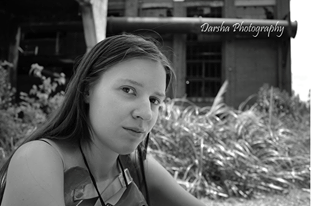 |
| Abi Godsell, author of Idea War: Volume 1. Fresh faced indeed. |
You have very interesting female characters in your books. Are they inspired by real-life people?
What was the book that inspired you to become a writer?
What is your favourite character of all time?

 How do you envision Johannesburg in 30 years' time?
Greener, quieter, good public transport. In 30 years time I hope we'll have solved the fragmentation along economic, and, still, racial lines that is this parting gift to this city from the Apartheid Government. We have some wonderful talent and passion in our local government and planning departments. So I envision good and exciting things.
If you could make one change to Johannesburg, what would it be?
Do you think South Africans should read sci-fi, why?
Why did you include a map of the future Johannesburg in your book?
Three books you suggest everyone to read?
About Idea War: Volume 1
She’s worked hard to keep her fledgling group of passionate rebels alive, but as the Government’s hit squads narrow in on them, she realises she has only just begun to understand the pain of loss, and the true cost of growing up.
Abi Godsell uses the groundbreaking new format of a short story science fiction series for a highly entertaining and smart read. In the first instalment of the Idea War series, we’re introduced to the characters behind the resistance to the Chinese occupation of Johannesburg, South Africa. Through the perspectives of various characters, it soon becomes clear that the new government’s first priority is far removed from the one they propagate on the blimps that dot the city’s skyline.
The city represents a shining example of recovery to the outside world, but can a small group of determined teenagers overcome the decay that has taken root at its core?
She's dreaming of free public transport and internet access and musty basement libraries full of books and books and books. Creating new worlds is her speciality, and she set her first novel, Idea War, in a dystopian future Johannesburg, where the recovery is cautious, hesitant.
She has a thing for steampunk themes, engines and science fiction that includes strong female characters.
She has a blog, is on twitter and can also be liked on Facebook. Just click on the links.

The Ocean at the End of the Lane: A Novel
 I'm not quite sure what to make of this book. I enjoyed it - as with all Gaiman books - but it seemed to be lackign something. I'm not sure whether it is because it's supposed to be a novel, but it's written as a children's book most of the time, or whether the characters just aren't that well developed. The story itself seems to lag sometimes. But then I read it in two days and it intrigued me too, so... Basically I'm a bit underwhelmed, but would recommend it to Gaiman fans.

 Brilliant! I read the first one and enjoyed it, but this one is simply astounding. It's completely different, dark and original. It is set in a fantastical world that you just want to know more about. The writing style is beautiful and keeps you captivated throughout.
 I will recommend reading the first one as it is also really good and you need it to read this one. As mentioned in some of the other reviews, I would definitely classify it as older than YA though.

Free: Comprehension and language worksheet and content
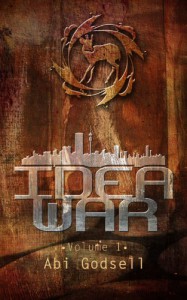

Attention teachers looking for some local content: You can download the free Idea War: Volume 1 Comprehension and language worksheet for Grade 9's here. The worksheet is CAPS-compliant and the story is relatable as it is set in Johannesburg.
The link takes you to Abi Godsell's blog, sorry for the redirect, but Wordpress can host pdfs.

Looking for Alaska
 It's good, it's great, but it is quite self-indulgent (even for a YA book) and I think the second half could really have been better. For a debut novel though, it is very good and I think it should be read by teenagers as it deals with various issues they often face.
 1
1

My top books of 2013 according to Goodreads and Booklikes
Wordsmack is back from holiday! And this year we will be bringing you some amazing books. In the meantime though, if you're looking for recommendations, you can go to my Goodreads profile. I am now the 11th top reviewer on Goodreads in SA.
In 2013 I fell just shy of my target of 50 books with 47 books. Here are my five-star books:


And some local favourites I enjoyed this year (I'm only including one of our own):


To see the full list, click here.

The Other Side of Dawn (The Tomorrow Series #7)
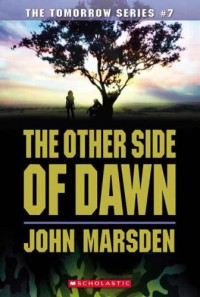 As with the others, a lot of fun, a lot of action and teenage angst. I like the premise for these books, but it's a bit repetitive. However, they keep you reading and it feels a bit more real and dark than some other YA books.

The Night is for Hunting (The Tomorrow Series #6)
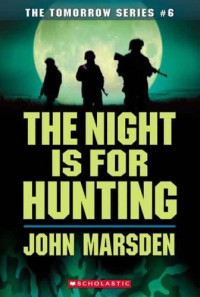 As with the others, a lot of fun, a lot of action and teenage angst. I like the premise for these books, but it's a bit repetitive. However, they keep you reading and it feels a bit more real and dark than some other YA books.

Burning for Revenge (The Tomorrow Series #5)
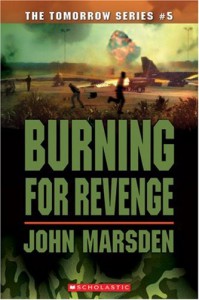 As with the others, a lot of fun, a lot of action and teenage angst. I like the premise for these books, but it's a bit repetitive. However, they keep you reading and it feels a bit more real and dark than some other YA books.

Darkness Be My Friend (The Tomorrow Series #4)
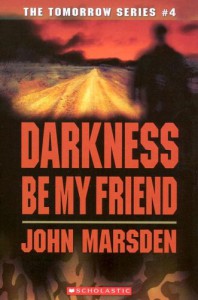 As with all the others: highly enjoyable, gave me nightmares, full of action, tension and teenage angst, not brilliantly proofread. I enjoy the series because I really think it's original and I love how fast I get through them. I just wish Ellie would be slightly less repetitive.

The Affair (Jack Reacher 16)
 It is fun to go back and see how Jack became the famous Jack Reacher we all know and love. However, as with most of his books, there is just too much nothing in the middle and it's really starting to annoy me. The main reason I keep reading is because we listen to the books in the car and it definitely makes the road trip a lot more fun.

Apocalypse Now Now
 This horror, fantasy is definitely original and a lot of fun. It was great reading a local story by an author that I'm sure will go places. The horror was a bit much for me - a bit too visual and definitely meant for boys - but it was a lot of fun too. For a much better worded review go here: http://cyanseagulls.wordpress.com/2013/11/20/review-charlie-humans-apocalypse-now-now/

Your Pregnancy Week by Week
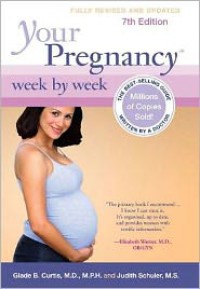 A good guide to your body and your growing baby in bite size chunks. A bit too much information though.

When the Sea is Rising Red
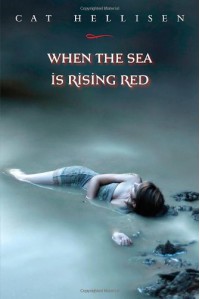 I really enjoyed this original fantasy: the strong female protagonist, the world the author created (with quite funny Afrikaans words thrown in to build the world), the darkness and the adventure. I look forward to reading the next one.

Authors: Get More Eyeballs on Your Books


- A total of 7,9m South Africans access the Internet on their cell phones. Of these, 2,48m access it only on their cellphones, and do not have access on the computers. The remaining 6,02m users access the Internet on computers, laptops and tablet computers. However, 90% of this number – 5,42m – also access it on their cellphones. This means that almost 8m South Africans sometimes or regularly access the Internet on their phones
- The 19 to 24 age group – representing students and entrants into the workforce – is abandoning voice faster than any other segment. Only 56% of this group’s mobile budget is now spent on voice, down from 66% in mid-2012. Data spend, on the other hand, has increased from 17% to 24%.
- Voice spend has dropped from 73% of mobile budget to 65%, while data has increased from 12% to 16%. At the beginning of 2010, voice stood at 77% and data at 8%.

Six of the best with Abi Godsell
